



News
Moldovan Agriculture in the Face of Global Challenges: Impactful Solutions by Verum Group
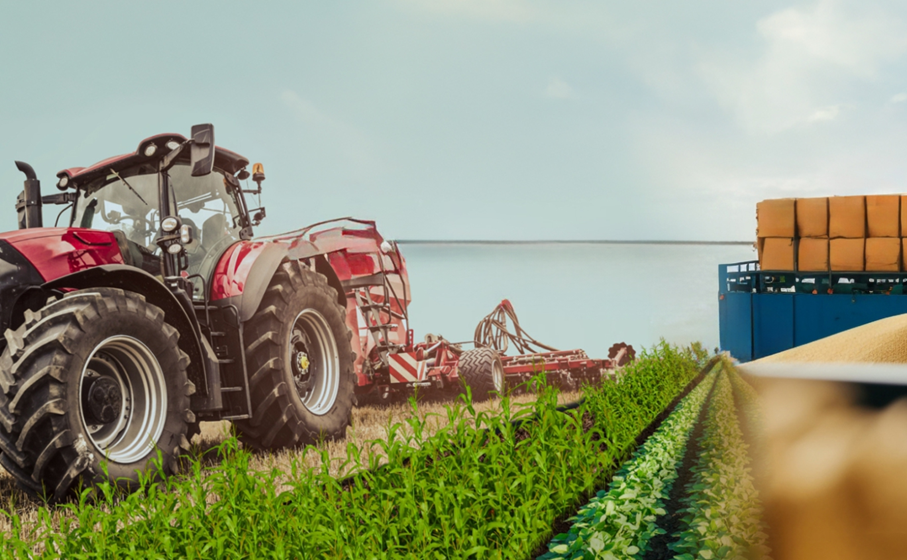
The agricultural sector in the Republic of Moldova is grappling with complex challenges, many of which mirror global issues. From climate change and economic risks to difficult market access and international standards, Moldovan farmers are facing an increasingly demanding reality. However, some local solutions demonstrate that strategic adaptation can turn these challenges into opportunities.
Climate Change and Drought: A Constant Threat
Climate change is affecting agriculture worldwide, and Moldova is no exception. According to FAO reports, the frequency and intensity of droughts have increased significantly, impacting crops globally. In the Republic of Moldova, approximately 80% of agricultural land was affected by drought in 2022 alone, endangering farmers' incomes and food security.
Nevertheless, there are solutions. For instance, to counter these effects, Verum Group has introduced innovative conservation agriculture practices in partnership with local farmers. Valenagro-Com SRL, part of Verum Group and one of the largest producers of grains and oilseeds in Moldova, has implemented solutions including minimal soil tillage and the use of drought-resistant crop varieties.
"Conservative agriculture is more than a measure to adapt to climate change. It's a forward-looking model that enhances farmers' resilience and protects the environment," explains Artur Lesco, Production Director of Valenagro-Com SRL, part of Verum Group.
Moreover, Verum Group participates in the AgreenaCarbon program, which rewards CO₂ emission reductions and offers farmers an opportunity to generate additional income through carbon credits while encouraging sustainable practices.
Crop and Market Diversification: The Key to Stability
Monoculture and excessive dependence on traditional markets are common issues in Moldovan agriculture. According to an OECD report, crop diversification is essential for increasing economic resilience and reducing climate risks. In this context, Verum Group promotes alternative crops such as sorghum and soybeans, adapted to Moldova’s climatic conditions and international market demands.
Sorghum, for example, is a cereal originating from Africa, known for its drought resistance. It is a versatile crop used for food, feed, and bioenergy. With high protein and antioxidant content, it is highly valued in international markets, especially in the gluten-free food industry.
"Diversification is not just an economic strategy but also insurance against climate change. By promoting sorghum, we provide farmers with a resilient, high-demand crop," says Serghei Cataraga, Director of Alcarex Distribution SRL.
Alcarex Distribution SRL, part of Verum Group, is the largest importer of sorghum hybrids in Moldova, providing certified seeds, technological support, and training for farmers interested in cultivating sorghum. Additionally, agricultural producers can sell their sorghum on both domestic and international markets in collaboration with Verum Group.
Infrastructure and Logistics: The Backbone of Efficient Agriculture
One of the main barriers to the competitiveness of Moldovan agriculture is inadequate infrastructure. According to the World Bank, post-harvest losses due to improper storage can reach up to 20% of production. The lack of modern capacities also limits farmers' access to international markets, where quality requirements are stringent.
Verum Group has responded to this challenge by fully modernizing storage and logistics infrastructure. For example, Ancom-Agro SRL, one of the largest operators in the sector, has invested in expanding and equipping an elevator with an 86,000-ton capacity. It offers drying, sorting, and storage services at international standards.
"Access to modern logistics infrastructure is essential for increasing farmers' incomes and competitiveness in external markets," says Robert Claicnet, General Director of Ancom-Agro SRL.
International Standards: Accessing Global Markets
Access to international markets is a significant opportunity for local companies but requires compliance with strict standards imposed by the EU, the US, and other developed markets. Many Moldovan companies face difficulties obtaining international certifications such as GlobalG.A.P., ISO 22000, or HACCP, essential for export. Achieving these certifications is costly, requiring significant investments in infrastructure, compliance, and trained personnel.
Ancom-Agro SRL is among the few companies certified under ISCC EU, demonstrating compliance with international sustainability requirements. "This certification is not just a technical requirement but a symbol of our commitment to quality and sustainability, facilitating exports to European and Asian markets," emphasizes Robert Claicnet.
Partnerships with Farmers: Building a Strong Value Chain
Agriculture in Moldova faces market instability and limited access to technologies for farmers. Verum Group actively supports local agricultural producers by offering certified seeds and purchasing their harvests for processing within the group's enterprises. For example, Mărculești-Combi SA uses agricultural raw materials to produce compound feed, flour, and soybean oil, collaborating with leading meat producers (pork, poultry, and beef), thereby strengthening the country's food chain.
"Partnerships with local farmers are essential for our mutual success. By contracting agricultural production, we secure our grain supply while providing farmers with the necessary resources for efficient and sustainable agriculture," states Andrei Costîc, General Director of Mărculești-Combi SA.
Energy Efficiency: A Modern Imperative
Energy efficiency is an increasingly pressing issue for the agricultural and industrial sectors, given the rising energy costs and significant environmental impact. According to the International Energy Agency, nearly 20% of global greenhouse gas emissions come from agricultural and industrial production processes. Integrating sustainable solutions is essential for achieving global climate goals.
In Moldova, Verum Group has taken a pioneering role in promoting energy efficiency, with Zernoff SRL leading these efforts. Zernoff has developed a project to reduce carbon emissions by utilizing residues from ethanol production to generate energy. This not only reduces the ecological impact of the production process but also optimizes resource consumption, transforming what was once considered waste into a valuable resource.
"Our project demonstrates that sustainability can go hand in hand with economic efficiency. By utilizing residues, we reduce emissions and create a replicable model for other industries," explains Dementie Smocvin, Production Director of Zernoff SRL.
This initiative, developed in collaboration with partners from Japan, directly contributes to national and European carbon reduction goals. It highlights Verum Group’s commitment to a cleaner future, showing that innovation in agriculture and industry can bring long-term benefits to the environment, community, and circular economy.
Through innovation, strategic partnerships, and investments in modern technologies, agriculture and industry in the Republic of Moldova can become resilient, efficient, and environmentally friendly sectors. Whether tackling climate change, diversifying crops, modernizing infrastructure, or improving energy efficiency, effective solutions can turn challenges into opportunities.
"Our farmers and industry entrepreneurs are true heroes. Their dedicated work contributes to our well-being and the development of the entire country. On Farmers’ Day, I congratulate all those involved in this vital sector and thank them for their tireless efforts. Verum Group will continue to stand by them, supporting their journey toward a better future," said Denis Cibizov, founder of Verum Group, who strengthens the company’s position as a leader in the agro-industrial sector, inspiring the community to adopt more ecological and efficient solutions.
